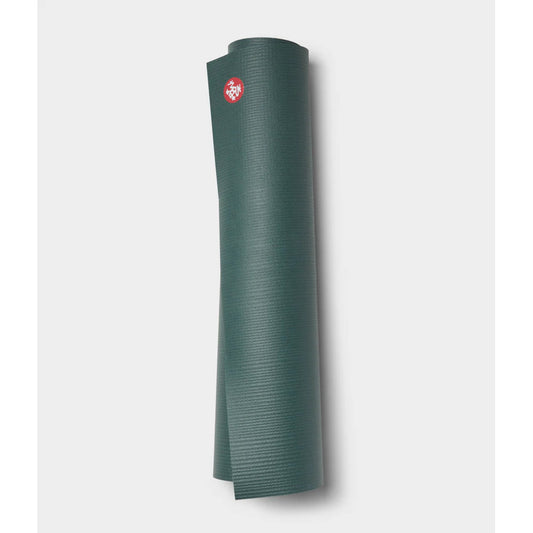

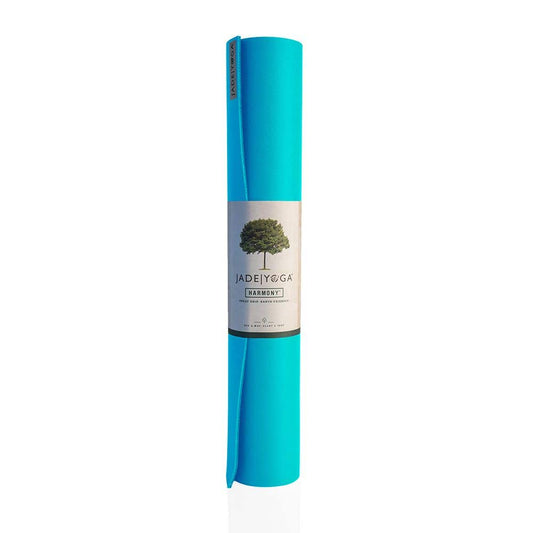
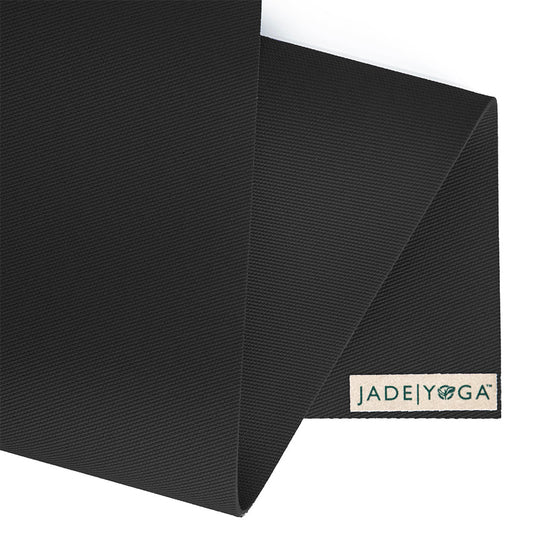



What Makes the Manduka PRO the Professional's Choice in Yoga Mats?
If you've spent any time in a yoga studio, you've probably seen a Manduka PRO. Often black. Always dense. Frequently owned by the teacher. The PRO has almost iconic status in yoga — a mat that serious practitioners buy once and keep for years, even decades.
But reputation isn't suitability, and the Manduka PRO is genuinely not for everyone. This article breaks down what makes the PRO different, who it's designed for, and whether it's the right investment for your specific practice.
🧘 Shop Popular Yoga Mats
The Manduka PRO and other premium yoga mats at EMP Industrial. Browse the full range.
→ Shop Popular Yoga Mats →What the Manduka PRO Is
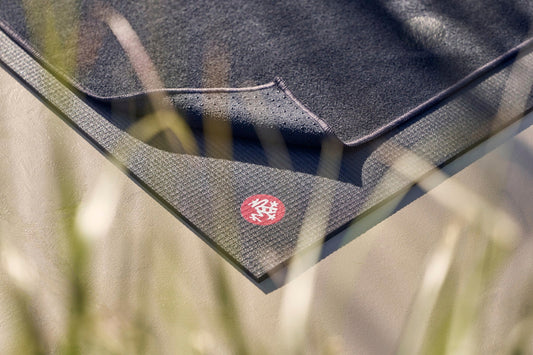
The Manduka PRO is a closed-cell PVC yoga mat. 'Closed-cell' means the surface doesn't absorb moisture, bacteria, or odour into the mat body. Sweat stays on the surface rather than soaking in — making the PRO significantly more hygienic for regular high-sweat practice than open-cell alternatives. This is the defining functional characteristic that separates the PRO from most other yoga mats.
The mat is also characterised by exceptional density — substantially heavier and thicker than most yoga mats. This combination of weight, thickness, and closed-cell surface creates something that feels like a proper surface: firm under the hands and feet, dense enough for serious joint cushioning, and stable enough for balancing poses where you need to feel the floor rather than sink into the mat.
💡 Closed-cell vs open-cell: Open-cell mats (like many natural rubber mats) grip because their surface microporosity creates suction against your hands. Closed-cell mats like the PRO grip through density and surface tension rather than texture. This is why the PRO behaves differently from rubber mats — and why it has a break-in period.
The Break-In Period: What It Is and Why It Happens
The single most important thing to know before buying a Manduka PRO is that new PRO mats have a break-in period. The surface of a new PRO can feel slippery — sometimes significantly — for the first several weeks of use. This surprises people who've paid a premium price and expect immediate superior grip.
The slip is a feature of the closed-cell manufacturing process, not a defect. Manduka recommends a salt-scrub break-in process to accelerate this. Regular practice also wears the surface in over time.
Practitioners who return a PRO mat because of initial slipperiness are often giving up right before it reaches its long-term performance state.
📌 During break-in: A yoga mat towel (empind.com.au/collections/yoga-mat-towels) over the PRO is a practical interim solution until the surface is fully conditioned — and continues to be useful for hot yoga use of the PRO throughout its life.
Why Professionals and Teachers Choose It
Longevity — the lifetime mat
The PRO is widely described as a lifetime mat. With proper care, it maintains its density and performance for five, ten, fifteen or more years of consistent daily practice. For teachers who practise every day, this longevity justifies the upfront investment. The effective cost per use over a decade is well below replacing cheaper mats every two to three years.
Joint support in daily practice
For practitioners whose body accumulates a lot of volume — teachers, daily yogis — the PRO's density provides consistent joint cushioning that thinner mats can't sustain. The mat doesn't compress down to almost nothing after a year of daily use. Support is built into the material density rather than a foam layer that degrades.
Hygiene for studio and shared use
The closed-cell surface doesn't absorb sweat or harbour bacteria in the mat body. It cleans effectively with a spray and wipe. For any mat that sees daily or studio use, this is a meaningful advantage.
Stability in advanced poses
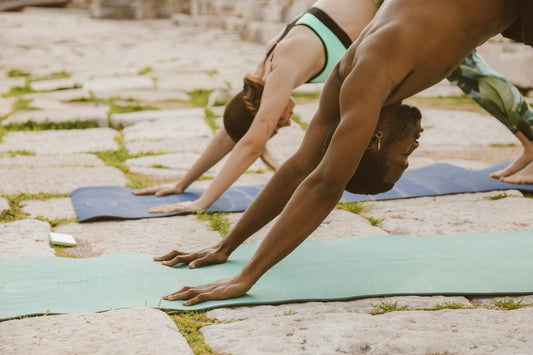
The PRO's weight and density provide floor-like stability that practitioners performing inversions and arm balances specifically value. The mat doesn't bunch, shift, or ripple under intense practice.
Who the Manduka PRO Is Not For
- Beginners who want an affordable entry point — the investment is most justified once you're practising consistently enough to use the longevity advantage
- Travellers who need a portable mat — the PRO's weight makes it impractical as a carry-everywhere mat; see the travel yoga mat collection
- Eco-motivated practitioners who want natural materials — the PRO is PVC; for eco credentials with premium performance, natural rubber alternatives are more appropriate
- People who want immediate grip — if your practice requires maximum grip from day one, sticky mats or natural rubber perform immediately without break-in
Manduka PRO vs PRO Lite
Manduka also offers the PRO Lite — a lighter version retaining closed-cell construction at reduced weight. The PRO Lite suits practitioners who commute to class; the full PRO is for daily studio-based practice where weight isn't a factor. Both are available through EMP Industrial's popular yoga mat collection.
Caring for Your Manduka PRO
- Wipe after each use with a yoga mat cleaner — avoid harsh chemicals
- Air-dry before rolling — surface moisture can still promote mildew if trapped
- Store out of direct sunlight — UV degrades PVC over time
- A dedicated carry bag protects the mat surface during transport
Shop the Manduka PRO and Full Range
EMP Industrial stocks Manduka's full yoga mat range. Browse or book a showroom appointment.
→ Explore Premium Yoga Mats →Frequently Asked Questions
Is the Manduka PRO worth the price?
For regular practitioners — multiple times weekly, studio-goers, teachers — yes. Longevity makes the per-use cost competitive over five to ten years. For beginners or occasional practitioners, a quality mid-range alternative may be more appropriate.
Why is my Manduka PRO slippery when new?
This is normal for the closed-cell PRO surface. A manufacturing film needs to be broken in. Manduka recommends a sea salt scrub to accelerate this. A mat towel is a practical interim solution during the break-in period.
Can I use the Manduka PRO for hot yoga?
Yes, though the closed-cell surface doesn't have the grip-with-moisture advantage of natural rubber or cork. Adding a yoga mat towel — including Manduka's own Yogitoes — is the standard practice for hot yoga use of the PRO.
How does the PRO compare to natural rubber eco mats?
PVC closed-cell (PRO) vs natural rubber: both are premium performance mats but serve different values. The PRO offers greater longevity, superior hygiene for daily use, and floor-like density. Natural rubber offers eco credentials, immediate grip without break-in, and grip that improves with moisture. See the eco yoga mat range for the rubber alternative options at EMP.
Tags:
Previous
Post-Match Tennis Recovery Tips to Protect Your Body Off The Court
Next
Natural Rubber Yoga Mats: Why Material Matters for Grip and Sustainability