



Natural Rubber Yoga Mats: Why Material Matters for Grip and Sustainability
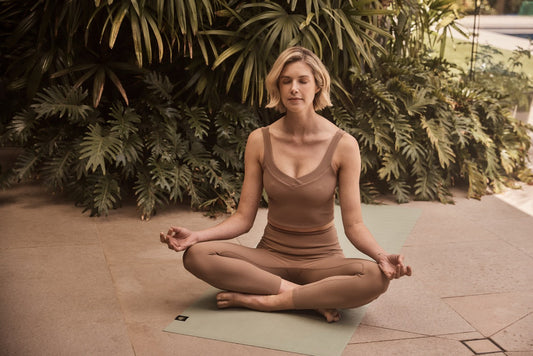
Walk into any well-stocked yoga studio and you’ll notice something: the serious practitioners almost always have their own mat. Among those mats, natural rubber features more prominently than anything else. That’s not a marketing coincidence — it reflects a genuine performance and values alignment that practitioners discover over years of working across different materials.
This article explains what makes natural rubber different from PVC and synthetic alternatives, why grip behaves differently across materials, and what the sustainability picture actually looks like. If you’re in the market for an eco yoga mat that doesn’t ask you to choose between performance and planet, natural rubber is where most serious practitioners land.
🌿 Shop Eco Yoga Mats
Natural rubber, cork, and sustainable mat options from leading brands. Australia-wide.
→ Browse Eco Yoga Mats →What Is Natural Rubber, and How Is It Made?
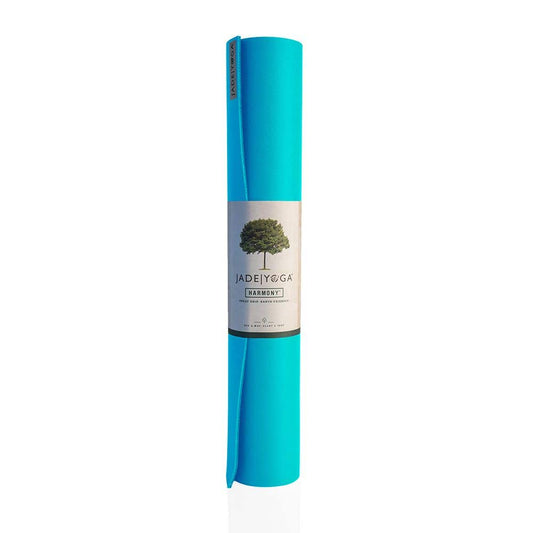
Natural rubber (Hevea brasiliensis latex) is tapped from rubber trees — a renewable biological process that doesn’t require the destruction of the tree. The latex is collected, processed, and vulcanised (heat-treated) to create the stable, elastic material used in yoga mats.
This is meaningfully different from PVC (polyvinyl chloride), which is a synthetic plastic derived from petroleum, and from TPE (thermoplastic elastomer), also petroleum-derived. Both can be manufactured to perform well, but neither has the biological origin or renewable sourcing story of natural rubber.
💡 Latex allergy: Natural rubber contains latex proteins and is not suitable for anyone with a confirmed latex allergy. If you’re unsure about sensitivity, test carefully or consider a TPE or cork alternative.
The Grip Difference: Why Natural Rubber Performs
Surface tackiness without coating
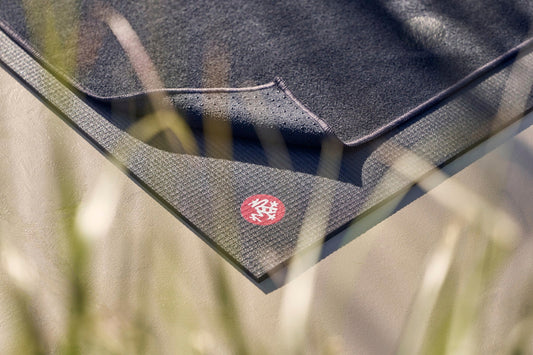
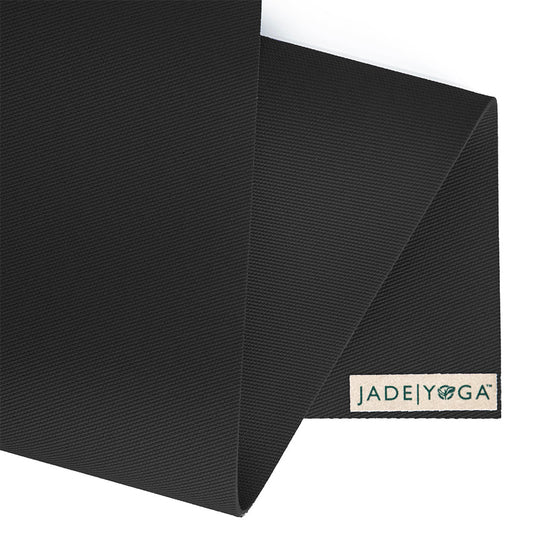
Natural rubber has an inherent surface tackiness — a slight resistance that keeps your hands and feet in place without any coating, spray, or surface treatment. On a PVC mat, grip typically comes from surface texturing or added coatings that wear down over time. On natural rubber, grip is intrinsic to the material and often improves slightly with use.
Grip that improves with moisture
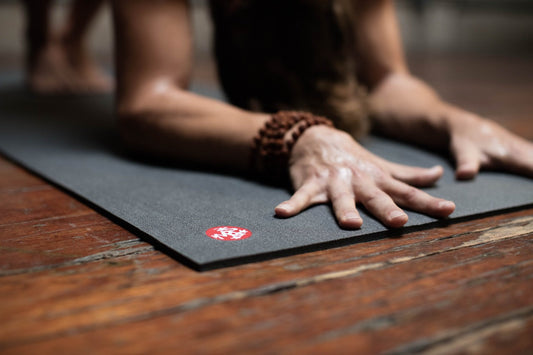
This is the counter-intuitive advantage that hot yoga and Vinyasa practitioners particularly value: natural rubber’s grip actually improves as it gets slightly damp from perspiration. PVC mats, by contrast, can become slippery when wet — which is why mat towels are commonly used on top of PVC for heated or high-sweat practice.
💡 Hot yoga specific: If you practise hot yoga or Bikram, a natural rubber mat is a significant upgrade over PVC. The grip improvement with moisture means you may not need a separate mat towel — though some practitioners add one for hygiene regardless.
Sustainability: The Full Picture
What’s genuinely sustainable
- Renewable source — rubber trees are a renewable agricultural crop; tapping for latex doesn’t kill the tree
- Biodegradable — natural rubber breaks down over time; PVC does not biodegrade meaningfully
- Lower petrochemical dependence — no petroleum in its base material, unlike PVC and TPE
- Long lifespan — quality natural rubber lasts significantly longer than budget PVC, reducing replacement frequency
What’s more complex
- Rubber tree agriculture — sustainability depends on the specific supply chain; responsible sourcing from established plantations differs from deforestation-linked sources
- Vulcanisation — the manufacturing process involves chemical treatment; more benign than PVC production but not impact-free
- Weight — natural rubber mats are heavier than TPE alternatives, which affects transport emissions for products shipped to Australia
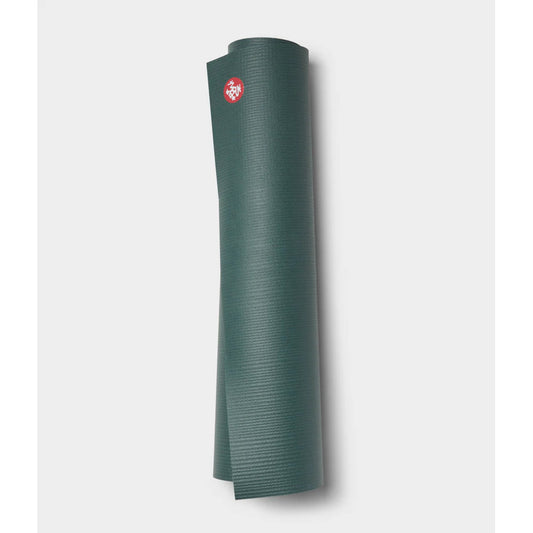
📌 Responsible sourcing: Look for mats from brands that can demonstrate their rubber sourcing meets FSC standards or similar. EMP’s eco range includes mats from brands like Jade and Manduka with established sustainability commitments.
Natural Rubber vs Other Mat Materials
| Material | Grip | Eco Profile | Durability | Best For |
|---|---|---|---|---|
| Natural rubber | Excellent; improves with moisture | Strong (renewable, biodegradable) | Very high | All styles, hot yoga, serious practitioners |
| PVC | Good; slips when wet | Poor (petroleum, non-biodegradable) | High | Budget practice |
| TPE | Good | Moderate (petroleum but recyclable) | Moderate | Travel, eco-minded beginners |
| Cork | Good; excellent when wet | Strong (renewable, antimicrobial) | Moderate | Hot yoga, hygiene-focused practitioners |
| Jute/cotton | Moderate | Very strong | Lower | Gentle practice, restorative |
Note: Performance varies across specific products within each material category. These are general patterns based on material properties.
How to Care for a Natural Rubber Mat
A dedicated mat cleaner formulated for natural rubber is the safest choice — household cleaners with citrus oil or tea tree in high concentrations can degrade natural rubber over time.
- Wipe after each use with a damp cloth and a rubber-safe mat cleaner
- Air-dry fully before rolling — trapped moisture accelerates degradation
- Store away from direct sunlight — UV degrades natural rubber faster than most materials
- Roll loosely rather than folding — creases in rubber can become permanent
- A carry bag or strap protects the mat surface during transport
Who Natural Rubber Is and Isn’t For
Natural rubber is the best general-purpose choice for practitioners who: practise multiple times per week, do heated or Vinyasa styles, want a mat that lasts years, and care about the environmental credentials of their equipment. Browse the eco yoga mat range at EMP Industrial for current options from Jade, Manduka, and other leading brands.
Natural rubber is not the right choice for: anyone with a latex allergy, practitioners wanting the lightest travel mat, or beginners wanting an affordable starting point. A budget yoga mat or sticky mat option may be more appropriate for those situations.
Find Your Natural Rubber Mat
EMP Industrial stocks eco yoga mats from Jade, Manduka, and other quality brands. Browse the full range.
→ Shop Eco Yoga Mats →Frequently Asked Questions
How long does a natural rubber yoga mat last?
A quality natural rubber mat, properly cared for, typically lasts five to ten years with regular use. The key factors are mat-specific cleaning products, UV-protected storage, and air-drying after each use. Browse the full yoga mat range at EMP Industrial.
Are natural rubber mats suitable for hot yoga?
Yes — and often preferred. Natural rubber grip improves slightly with moisture, making it more reliable in heated practice than PVC alternatives. Some hot yoga practitioners add a mat towel for hygiene; others find rubber provides sufficient grip without one.
Can I use any mat cleaner on a natural rubber mat?
No — some household products and essential oil sprays can degrade natural rubber. Use a dedicated yoga mat cleaner formulated for rubber mats.
What’s the difference between natural and synthetic rubber?
Natural rubber comes from Hevea brasiliensis latex — a renewable plant source. Synthetic rubber is petroleum-derived. Natural rubber has the sustainability advantage of renewable sourcing and biodegradability, plus inherent grip properties that tend to outperform synthetic rubber in humid conditions.
Tags:
Previous
What Makes the Manduka PRO the Professional's Choice in Yoga Mats?
Next
Yogitoes Yoga Mat Towel: When and Why to Use One Over a Standard Mat