




How to Maintain a Consistent Yoga Practice During Australian Winter
There is a pattern that many yoga practitioners know well. Summer brings the easy sessions: warm mornings, natural energy, the mat already waiting from yesterday. Then April arrives, the mornings darken, and the mat stays rolled up in the corner for longer each day. By July, the gap between sessions has stretched from days to weeks, and the intention to return tomorrow has become a familiar phrase.
Australian winters are mild by global standards, but mild does not mean easy for a yoga practice. Cold muscles, the gravitational pull of a warm bed, and shorter days that compress the window for morning practice are real obstacles. The good news is that winter offers something summer rarely does: an invitation to slow down, go inward, and develop the dimensions of yoga that fast, vigorous practice can crowd out. The right props, a few adjustments to your practice style, and some practical preparation make year-round consistency very achievable.
Equip Your Winter Practice at EMP Industrial
Bolsters, blankets, blocks, mats and more. Everything for a warm, sustainable home yoga practice.
Browse Yoga PropsWhy Winter Disrupts Yoga Practice
Understanding the specific ways winter affects practice helps in addressing them directly rather than just relying on motivation.
- Cold muscles require longer warming up: in cold temperatures, connective tissue is less pliable and muscles contract. Skipping or shortening your warm-up in winter creates a genuine injury risk and tends to make practice feel laboured and unpleasant. A thorough warm-up that would feel unnecessary in summer becomes non-negotiable.
- Morning practice becomes harder: sunrise in Sydney drops to before 7am in the depth of winter, but the cold makes early mornings genuinely less inviting. For practitioners who rely on a morning ritual, winter requires either an earlier commitment to get out of bed before the cold has fully set in, or a willingness to shift practice to a different time.
- Motivation links to season: research in habit formation suggests that people associate exercise with environmental cues. Summer practice has cues (warmth, light, energy) that winter removes. Deliberately creating new winter-specific cues (a particular candle, a specific playlist, warm clothing laid out the night before) helps bridge the environmental gap.
Adjust Your Practice Style for the Season
The yoga tradition itself has always been responsive to season. Ayurvedic practice, which has influenced yoga philosophy for thousands of years, regards winter as the season for inward focus, nurturing, and restoration rather than vigorous external effort. This is not a reason to stop moving. It is a reason to move differently.
Extend your warm-up
Begin every winter practice with ten to fifteen minutes of gentle movement before attempting deeper stretches or challenging postures. Cat-cow, thread the needle, gentle hip circles, and slow sun salutations performed with awareness of warmth generation rather than performance all serve this purpose. A cold body forced into a deep hamstring stretch is a body that tightens further in self-protection.
Shift toward slower practice styles
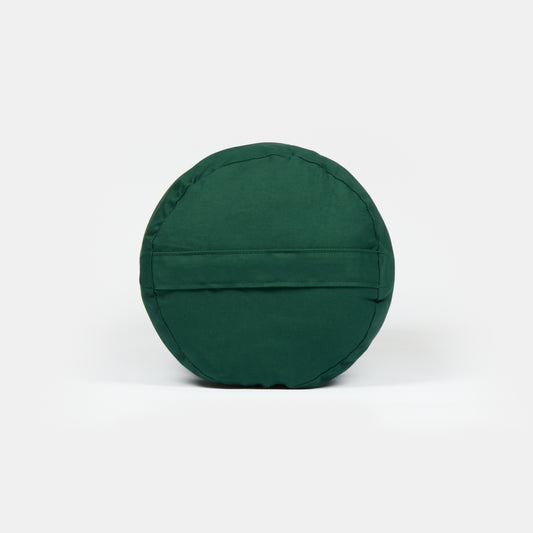
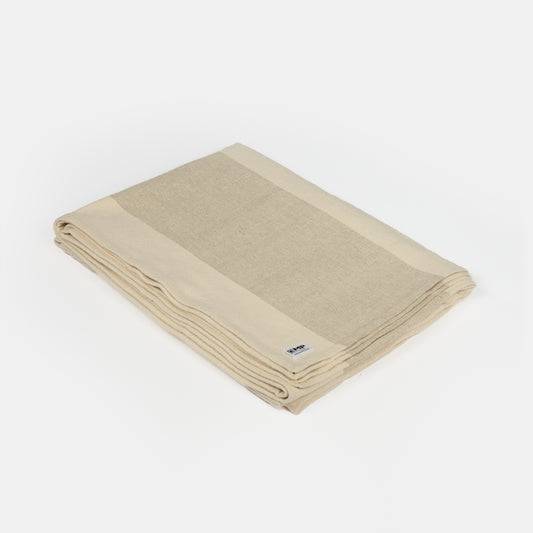
Yin yoga and restorative yoga, both of which involve sustained holds of postures supported by props, are particularly well-suited to winter. Yoga bolsters allow the body to soften into supported positions that release deep fascial and connective tissue without requiring muscular effort. Yoga blankets provide physical warmth during longer holds and savasana, which in winter can feel genuinely cold without them. Yoga blocks support positions that might otherwise demand more hip or hamstring flexibility than a cold body can safely offer.
Give savasana the time it deserves
Savasana is often rushed in summer practice. In winter, when the parasympathetic nervous system benefits of deep rest are genuinely restorative after the cold-weather physical and mental compression many people experience, a full ten-minute savasana with a blanket and eye pillow becomes one of the most valuable parts of practice rather than an afterthought.
Practical Preparation Makes Consistency Easier
Many winter practice failures happen in the ten minutes before the mat comes out. Addressing those friction points directly removes the decision-making that cold weather tends to win.
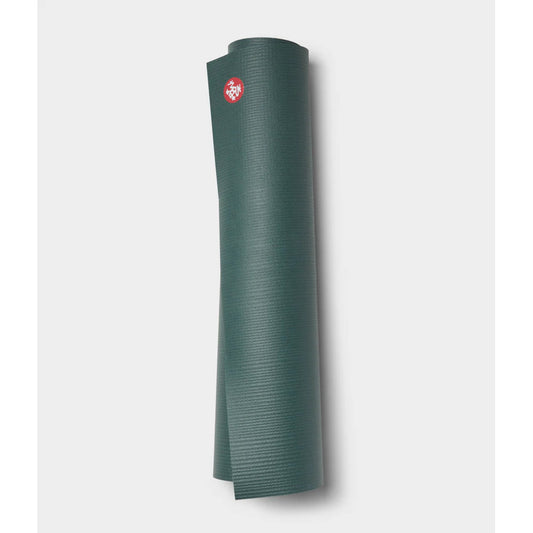
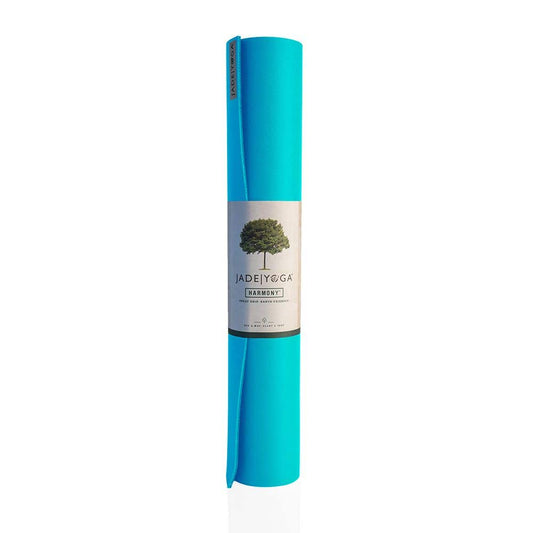
- Lay out your mat and props the night before: a mat already unrolled with blocks and a bolster placed beside it removes one practical reason to delay. The mat acts as a physical cue when you walk past it in the morning
- Warm the room before you begin: a practice space that is already at a comfortable temperature when you arrive makes the transition from warm bed to practice much more achievable. A small portable heater set on a timer works well for this
- Dress in layers: starting practice in warm clothes and removing layers as the body heats is far more manageable than trying to warm up in minimal clothing. Long-sleeved base layers, yoga-specific socks, and a loose top layer allow for the progressive undressing that mirrors the progressive warming of the body
- Shorten the session to maintain the habit: a twenty-minute practice on a cold Tuesday morning is worth more to long-term consistency than a ninety-minute practice that never happens. In winter, the goal is to keep the habit alive rather than to achieve peak practice. Short is not failure
💡 The three-breath rule: When you are standing in front of the mat wondering whether to roll it out, commit to just three breaths on the mat. No other requirement. In the very large majority of cases, those three breaths begin a practice. The gap between intention and action is almost always the hardest part.
Props That Make Winter Practice Materially Better
| Prop | Winter use case | What to look for |
|---|---|---|
| Yoga bolster | Support for restorative and yin poses; passive hip and chest openers | Firm enough to hold shape; cotton or sustainable fill |
| Yoga blanket | Warmth during holds and savasana; added cushioning under knees | Heavy enough for genuine warmth; washable |
| Yoga blocks | Support in poses when cold muscles limit range | Cork or foam; pair for most applications |
| Eye pillow | Sensory withdrawal during savasana and meditation | Weighted; lavender fill supports relaxation |
| Meditation cushion | Support for extended seated practice and pranayama | Height appropriate for natural spinal curve |
Browse the complete range of yoga props at EMP Industrial and meditation accessories for props that support a winter-adapted practice.
The Cost of Stopping and Restarting
One of the strongest motivations for maintaining winter practice is understanding what stopping actually costs. Regular yoga practice builds progressive change in tissue pliability, joint mobility, and nervous system regulation. These adaptations do not have a long half-life. Two to three weeks of absence produces meaningful regression in mobility and in the neural patterns that underlie balance and proprioception.
More importantly, the mental architecture of a regular practice, the internal cues, the ritual, the sense of daily integration, takes longer to rebuild than the physical dimensions. People who stop practice for a season often find that returning in spring feels harder than they expect, not just physically but motivationally. Winter maintenance, even at a reduced frequency, costs far less than a full restart.
Your yoga mat unrolled three times a week in July is worth more than an unused one waiting for September.
Set Up Your Winter Practice with the Right Props
Bolsters, blankets, blocks, eye pillows, and more. EMP Industrial stocks everything for a complete home yoga practice.
Shop Yoga PropsFrequently Asked Questions
Should I do more yin yoga in winter?
Many practitioners find yin and restorative styles more accessible and more rewarding during winter, partly because of the slower pace and partly because winter is a culturally and physiologically appropriate time for inward rest. Shifting your practice toward more yin-influenced styles in winter is not a step backward. It is a seasonal adaptation that serves long-term practice. Yoga bolsters and blankets are the key props for yin and restorative practice.
How long should I warm up before yoga in cold weather?
For most people in Australian winter conditions, a ten to fifteen-minute warm-up before practising deeper postures is appropriate. This is longer than the five-minute warm-up that feels sufficient in summer. The goal is to bring the body's core temperature up and to get circulation moving into the extremities before placing significant demands on connective tissue.
Is yoga practice different in winter if I practice in a heated studio?
If you practise in a consistently heated studio environment, the cold of Australian winter has less direct impact on your body during sessions. The greater challenge is motivation and attendance, particularly for early morning and evening sessions when the temperature contrast between outdoors and studio is highest. Home practice on difficult mornings, even briefly, can serve as a bridge that maintains your relationship with the practice between studio sessions.
Tags:
Previous
Travel Yoga Mat vs Full-Size Mat: Which Do You Actually Need?
Next
Why the AIREX Coronella 185 Is the Standard in Therapeutic Settings