



Oko Living Herbal Yoga Mat: How Botanical Elements Are Woven Into Wellness Gear
Most yoga mats are tools. They protect your hands from the floor, provide grip, and cushion your joints. What they are made of rarely has anything to do with wellness beyond these mechanical functions. The Oko Living herbal yoga mat is a category of one: a mat that was designed not just to sit beneath your practice but to actively participate in it through the botanicals woven into its fabric.
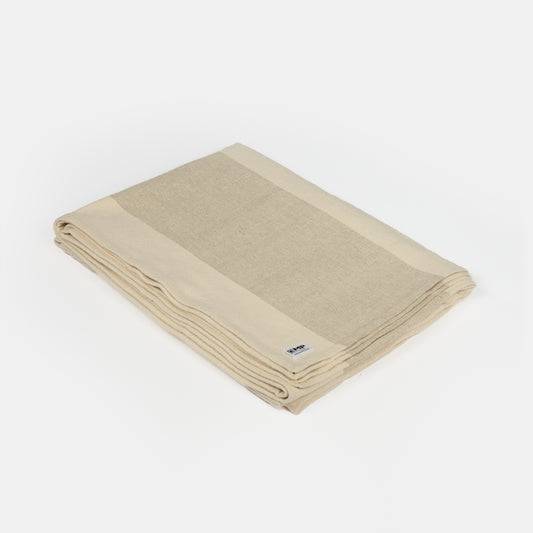
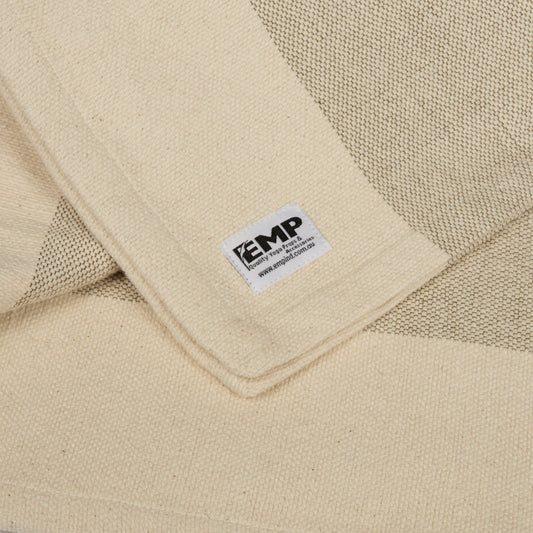
The Oko Living herbal yoga mat, available through EMP Industrial's eco yoga mat range, is built from GOTS certified organic cotton and plant-dyed using an ancient Ayurvedic process with 20 medicinal-grade herbs. This is not a cosmetic feature. It is the core of the product's identity. Here is the complete picture of what that means.
Shop the Oko Living Herbal Yoga Mat
Available through EMP Industrial's eco yoga mat collection. GOTS certified organic cotton. Herbal dyed. Hand-loomed.
View the Oko Living MatWhat Makes a Yoga Mat Herbal?
The Oko Living mat begins as 100% GOTS certified organic cotton, which means the cotton fibre has been grown without synthetic pesticides or fertilisers, and every stage of its production up to the finished textile has been verified against GOTS standards for environmental and social responsibility.
The organic cotton is cleaned, naturally lightened, and hand-spun into yarn. That yarn is then dyed using an ancient Ayurvedic method with 20 different medicinal-grade herbs. The process is not a surface treatment applied at the end of manufacturing: the yarn is dyed before it is loomed, meaning the botanical elements are woven through the entire structure of the mat.
This dyeing process takes 15 days. The traditional method is used deliberately: it preserves the bioactive properties of the plants in a way that industrial processes do not. Each Oko Living mat is then hand-loomed by skilled artisans in India, the birthplace of yoga and home to generations of textile weavers.
The 20 Herbs: What They Are and Why They Matter
The herbal treatment formulation in the Oko Living mat was developed with Ayurvedic practitioners, with the plant selection based on traditionally recognised properties including antibacterial, antifungal, skin-soothing, and stress-reducing effects. The full herbal list includes:
- Three varieties of Turmeric (Gundu manjal, Kasturi manjal, Virali manjal)
- Holy Basil (Tulsi)
- Neem
- Lavender
- Aloe Vera
- Hibiscus Flowers
- Chamomile
- Mint Leaves
- Lemon Grass
- Ashwagandha
- Tagar (Indian Valerian)
- Eclipta
- Amla Gooseberry
- Mandukaparni
- Yashtimadhu (Liquorice)
- Jatamamsi (Spikenard)
- Acalypha Indica (Indian Nettle)
- Peppermint
Neem, Turmeric, and Holy Basil are the core herbs in the formulation, selected for their broadly recognised properties in Ayurvedic tradition. In Ayurvedic practice, which is a traditional Indian system of medicine with thousands of years of history, direct skin contact with these plants is considered beneficial to health.
✦ How the herbs interact with your practice: The skin absorbs elements from what it contacts during prolonged touch. During a yoga session, your hands, feet, and sometimes other parts of your body are in direct, extended contact with the mat. The Oko Living mat's formulation is designed with this contact point in mind: the herbs are present throughout the mat's structure rather than as a surface coating, and each practice session involves renewed contact with the botanical elements woven into the fabric.
The Natural Colour Palette: Botanicals as Dye
The colours of the Oko Living mat range are not the result of synthetic dyes. Each colour is derived entirely from plant sources:
- Pink tones: Sappan Wood
- Orange tones: Annatto
- Yellow tones: Turmeric
- Green tones: Indigo combined with Turmeric
- Blue tones: Indigo
- Purple tones: Sapanwood combined with Iron
The result is a colour palette that is characteristically soft, warm, and organic: colours that look as if they came from the earth because they did. The natural dye process also means that each mat has a subtle, sweet herbal scent rather than the chemical off-gassing smell associated with synthetic rubber and PVC mats.
Design for Practice: Grip, Cushion, and Structure
A mat can have admirable ecological and wellness credentials and still fail at the basic job of supporting a yoga practice. The Oko Living mat was designed with this concern addressed. Key specifications:
- Dimensions: 74 inches by 27 inches (187cm by 68cm), the standard yoga mat size
- Thickness: 5mm thick, 6-ply woven cotton construction
- Weight: approximately 1.5 kilograms (3.4 pounds), making it light enough for travel
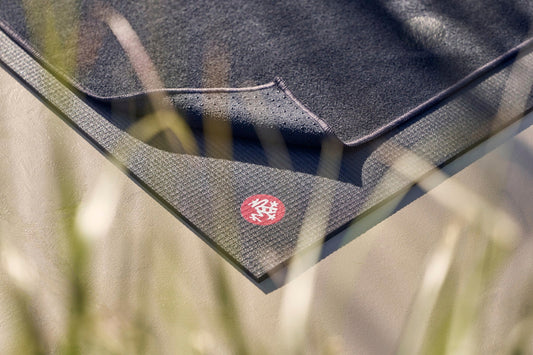
- Grip: woven rib structure on the surface provides grip. Importantly, the Oko Living mat becomes grippier as you sweat, unlike synthetic rubber mats that can become slippery when wet
- Base: natural tree rubber (latex) coating on the underside for floor grip and non-slip performance
The cotton structure also breathes, drawing heat away from the body and absorbing moisture. This makes it particularly well suited to restorative yoga, meditative practices, and Yin yoga where extended contact with the mat surface matters.
⚠️ Latex allergy note: The base of the Oko Living mat is coated with natural tree rubber (latex). People with latex allergies should consult their healthcare provider before using this mat, as latex can cause allergic reactions in sensitised individuals.
The Tradition Behind Yoga Rugs
The Oko Living mat is technically a yoga rug, not a mat. The distinction is historically meaningful. Yoga rugs are the original surface on which yoga was practised, long before the synthetic rubber mat was invented in the 1980s. Traditional Indian yoga practice used cotton rugs that were woven locally, dyed with plant materials, and maintained as part of a deliberate practice context. The Oko Living mat is a direct continuation of this tradition.
The artisan community producing these mats is predominantly women working in India. The production model emphasises fair wages and working conditions close to home, which means the social sustainability dimension of this product is as considered as the environmental one.
Care and Maintenance
The Oko Living herbal yoga mat is machine washable, which is one of its most practical features compared to natural rubber or cork mats that require hand cleaning.
- Machine wash on a cold, gentle cycle
- Use a mild, natural laundry detergent
- Hang to dry: do not tumble dry
- Do not use bleach or harsh chemical cleaners
- The mat may experience minor colour softening over washes, which is a characteristic of natural plant dyes and does not affect performance or herbal content
For routine between-session care, EMP Industrial's yoga mat cleaner range includes options suitable for natural textile mats. A light spray and air dry after each session keeps the mat fresh.
Add the Oko Living Herbal Mat to Your Practice
Hand-loomed. GOTS certified organic cotton. Herbal dyed. Zero chemicals. Available through EMP Industrial Australia.
Shop Oko Living at EMPFrequently Asked Questions
Does the herbal scent of the Oko Living mat fade over time?
The natural herbal scent is at its most pronounced when the mat is new and diminishes gradually with use and washing, as is the nature of natural plant-based fragrances. The herbal properties woven into the cotton structure remain a function of the dyes throughout the mat's lifetime even as the scent becomes subtler. If you want to refresh the herbal quality of the mat, some Oko Living users add a small amount of diluted essential oil of a complementary herb to the final rinse during washing.
How long does an Oko Living herbal yoga mat last?
With appropriate care (gentle machine washing, hanging to dry, storing rolled rather than folded), an Oko Living yoga rug can last for many years. The GOTS certified organic cotton construction is durable under normal yoga practice conditions. The natural rubber base may show some wear over extended use, particularly with vigorous practices. For care guidance, see EMP Industrial's yoga mat accessories and care range.
Is the Oko Living mat suitable for hot yoga?
Yes. Cotton yoga rugs are particularly well suited to heated and sweaty practices because the natural cotton fibres absorb moisture and the mat becomes grippier with sweat rather than slippery. The breathable cotton surface also stays cooler than synthetic rubber mats under heat, which some practitioners find preferable during hot yoga sessions.
Tags: