


Creating a Warm Restorative Home Yoga Sanctuary in Winter
In summer, a yoga space can be almost anywhere. A patch of garden, a cleared corner of the living room, a hotel balcony. The warmth and energy of the season carry much of the work. Winter is different. In winter, the environment either supports your practice or works against it, and getting it right makes the difference between a practice space you are drawn toward and one you avoid.
A restorative home yoga sanctuary in winter is not an expensive renovation. It is a considered combination of warmth, sensory atmosphere, and the right props that transforms whatever space you have into a place that makes the practice feel like something you are moving toward rather than something you have to push yourself to begin. This guide covers every element of that transformation.
Build Your Winter Yoga Sanctuary with EMP Industrial
Bolsters, blankets, eye pillows, blocks, mats and more. Everything for a warm, restorative home practice.
Shop Yoga PropsStarting with the Physical Space
The most important qualities of a good home yoga space in winter are warmth, quietness, and a defined boundary that signals to your nervous system that this space has a different purpose from the rest of the room.
Temperature
A cold practice space is a barrier to both entry and quality of practice. For restorative yoga, which involves extended stillness and minimal heat generation from movement, the ambient temperature matters acutely. A room that feels comfortable while dressed will feel cold during a thirty-minute yin hold. Aim for a consistent 22 to 24 degrees Celsius for a restorative session. A small portable heater placed safely away from the mat and turned on fifteen to twenty minutes before you begin addresses this.
Defining the boundary
In a home environment, the yoga space competes with all the other claims on your attention: screens, housework, children, work. Creating a physical boundary helps. This might be as simple as rolling out the mat and placing your props in a consistent configuration, which tells your eye and your nervous system that this part of the room is currently different. Some practitioners use a rug underlay or a specific mat position that is consistent across sessions, so the space is recognisable even when the mat is rolled away.
The Sensory Layer
A sanctuary is not just a temperature or a spatial boundary. It is a sensory environment. In winter, when the senses are drawn inward anyway, creating a deliberate sensory atmosphere deepens the quality of that inward turn.
Light
Winter daylight in southern Australia is limited and low-angle. For morning or evening practice, you are likely to be practising without natural light. Warm-spectrum artificial lighting (dimmer controls or warm-toned lamps rather than overhead fluorescents) shifts the atmosphere of a practice space dramatically. Candlelight, if safely positioned, adds a quality of warmth and flickering presence that fixed lighting cannot replicate.
Sound
Winter practice often benefits from quieter, slower sound environments than summer. Ambient music with a slow tempo (60 to 70 beats per minute or lower) supports the nervous system down-regulation that restorative practice is designed to produce. Silence is equally valid. The decision is yours, but it should be deliberate rather than defaulted.
Scent
Scent is the most direct sensory route to emotional association. A consistent scent used only during practice becomes a cue that is genuinely powerful. Lavender supports relaxation and is appropriate for restorative and yin practice. Eucalyptus and frankincense both work for more active practice. A consistent scent used only in your yoga space builds the neural association more quickly than almost anything else.
The Essential Winter Props
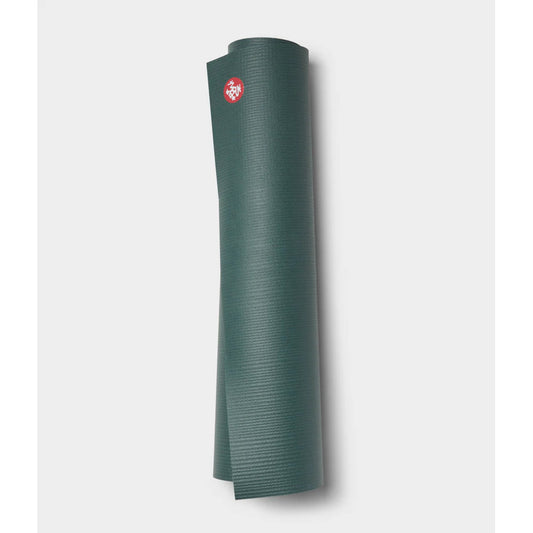
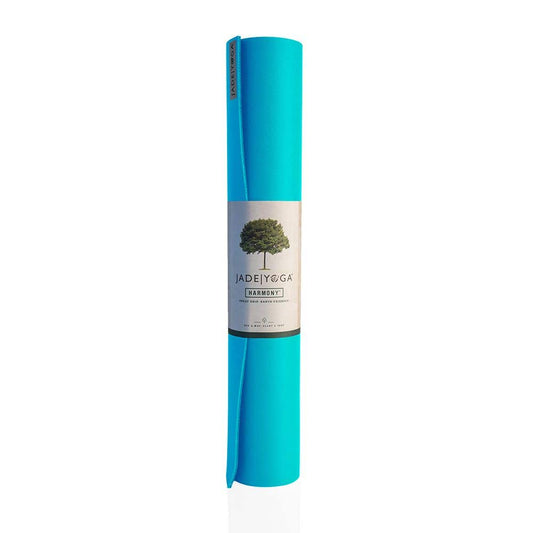
Restorative and yin yoga are prop-intensive by design. The props replace muscular effort with structural support, allowing the body to release into positions it would otherwise be working to maintain. In winter, props also provide physical warmth. The EMP Industrial yoga props collection covers everything you need for a complete restorative home setup.
The yoga bolster
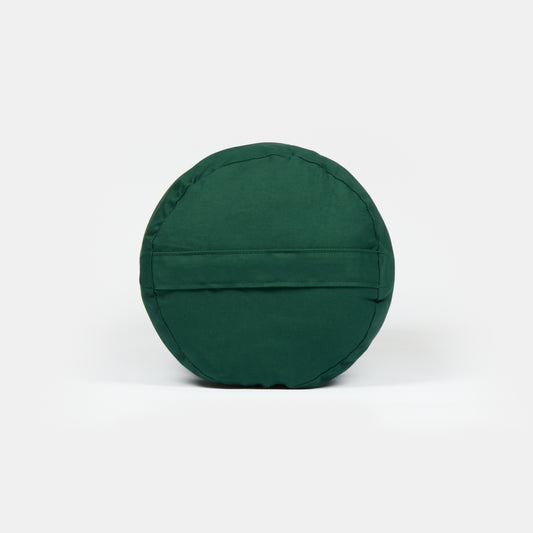
A yoga bolster is the single most versatile restorative prop. In a supported fish pose, the bolster under the spine opens the chest passively. In a reclined bound angle pose, it supports the spine while the inner groin releases. In a supported child's pose, it fills the space between the torso and the thighs. Round bolsters and rectangular bolsters have different use cases; rectangular bolsters are more versatile for a home practice. A firm bolster maintains its shape across hundreds of sessions. A bolster that sags does not provide the same quality of support.
Yoga blankets
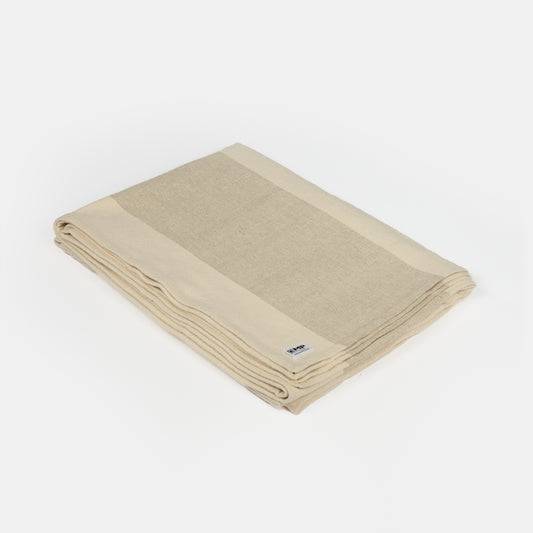
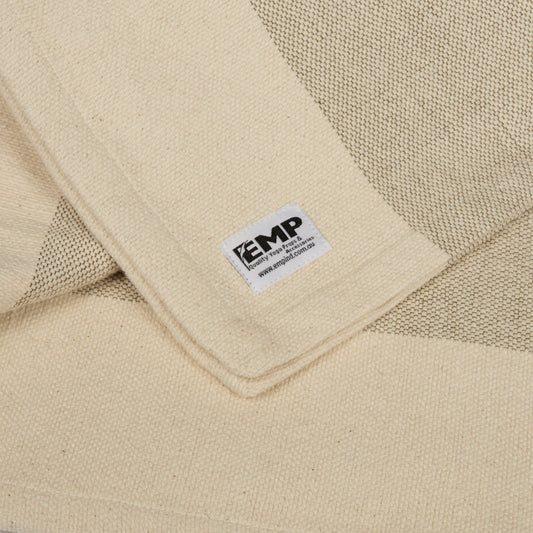
In winter, yoga blankets serve both functional and thermal purposes. Folded under the hips in seated poses, a blanket tilts the pelvis forward and makes a neutral spinal curve accessible for practitioners whose tight hips otherwise make this difficult. Used as a cover in savasana or long yin holds, a blanket provides physical warmth that prevents the body from engaging in mild shivering that undermines the relaxation response. Two blankets is a practical minimum for a winter home practice: one for support, one for warmth.
Yoga blocks
Yoga blocks are bridge props that bring the floor closer to the body when limited flexibility would otherwise force compensatory patterns. In winter, when connective tissue is less pliable, blocks allow a practitioner to find the depth of a position available to their cold body rather than the depth available on a warm summer morning. Using blocks is not a modification for beginners. It is an intelligent use of available props to create the best possible position for the present moment.
Eye pillows and sandbags
Eye pillows gently close out visual input during savasana and meditation, which deepens the quality of rest. The slight weight of a beaded or lentil-filled eye pillow also activates the oculocardiac reflex, which slows heart rate. In a winter practice where genuine rest is the goal, an eye pillow is one of the simplest upgrades to savasana quality available.
Meditation cushion
A meditation cushion supports extended seated practice and pranayama by elevating the hips above the knees and enabling a natural spinal curve without muscular holding. Winter morning meditation, placed at the end of a physical practice, benefits from a cushion that holds the body in an appropriate position without requiring ongoing effort. This is particularly relevant for practitioners who find that cold weather makes seated meditation on a flat floor genuinely uncomfortable.
The Winter Practice Itself
A restorative winter sanctuary is only as good as the practice it holds. Some elements worth building into a winter home practice:
- Begin with five minutes of lying in constructive rest (on your back with knees bent and feet flat) before any movement. This allows the nervous system to register the transition from daily activity to practice without demanding physical engagement.
- Choose postures with longer hold times (3 to 7 minutes) over sequences with many short transitions. In winter, depth over variety serves the body well.
- End every practice, including short ones, with a full savasana using blanket and eye pillow. Ten minutes of genuine rest is a different physiological experience from five minutes.
- Include a short meditation or pranayama seated practice using your cushion at the end. Winter is the season for pranayama: warming breath practices such as kapalabhati and bhastrika generate internal heat; cooling practices can be reserved for summer.
✦ Gifting your sanctuary: If you are building a winter yoga practice, a bolster, a blanket, an eye pillow, and a meditation cushion together constitute the core of a restorative props set. EMP Industrial's yoga gifts collection is a good starting point for either building your own set or gifting a complete restorative setup.
Shop Everything for Your Winter Yoga Sanctuary
Bolsters, blankets, blocks, eye pillows, meditation cushions and more at EMP Industrial.
Build Your SanctuaryFrequently Asked Questions
How much space do I need for a home yoga sanctuary?
The minimum practical space for a lying yoga practice is roughly 2 metres by 90 centimetres, which accommodates a standard yoga mat with a small margin. A rectangular bolster and two blocks fit within this footprint. A slightly larger space of roughly 2 metres by 1.5 metres allows more comfortable movement around the mat and space for a blanket alongside. The space does not need to be permanently dedicated. Rolling the mat out and placing props creates the sanctuary from any available floor area.
Can restorative yoga replace sleep in winter?
Restorative yoga activates the parasympathetic nervous system in ways that are physiologically similar to early sleep stages, and many practitioners find that regular restorative practice significantly improves sleep quality. However, it does not replace sleep. Think of it as a complement: a regular restorative practice reduces the stress load that sleep must address, supporting deeper and more efficient sleep rather than substituting for it.
What is the most important prop for a beginner winter sanctuary?
If you are starting from nothing, a yoga bolster is the most transformative single prop. It enables the supported positions that restorative yoga is built around and makes postures accessible that would otherwise require significant flexibility. Add a blanket second for warmth in savasana, and blocks third for positional support in seated and floor poses.
Tags:
Previous
Why the AIREX Coronella 185 Is the Standard in Therapeutic Settings
Next
Oko Living Herbal Yoga Mat: How Botanical Elements Are Woven Into Wellness Gear