



Introducing Velara: Quiet Design for a Long Life of Joyful Movement
There is a moment before practice begins that rarely gets talked about. The mat is unrolled but you have not stepped onto it yet. The bolster is within reach. The room is quiet. Whatever happens next is shaped, in a small but real way, by the objects around you — whether they feel considered or improvised, whether they belong in the room or simply landed there.
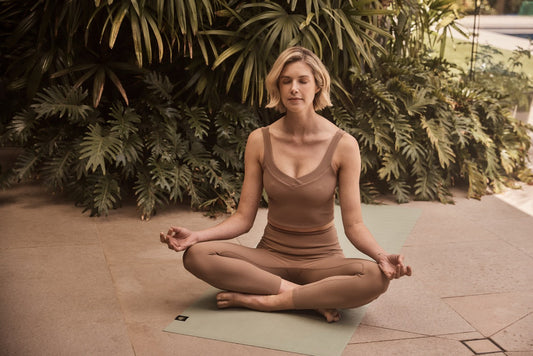
Velara is a brand built around that moment. Australian designed and owned, it makes yoga and recovery tools with a deliberately quiet visual language: muted colours, honest materials, and forms that ask very little of the space they sit in. The line the brand uses for itself is designed for a long life of joyful movement, and it is a useful lens for everything in the range.
The Velara collection is now at EMP Industrial. Here is an introduction to the world it comes from.

Where Practice Meets Place
Most yoga equipment is designed for the studio and then tolerated at home. It is bright, branded, and built to be read from the back of a room. That works in a class of thirty. It works less well in a living room, a spare bedroom, or a corner of a hallway, which is where a great deal of practice actually happens.
Velara starts from the other end. In the brand's own words, it shapes "tools for elevated calm: quiet forms, weighted materials and a muted palette that settle gently into your space and your routine." The effect is that the props stop announcing themselves. A bolster left out on the floor reads as an object in the room rather than as gym equipment awaiting storage — which, in practice, means it stays out. And a prop that stays out gets used.
The palette carries the same logic. Eucalyptus, Mulberry, Marina, Dune, Sahara, Cedar and Seashell are drawn from landscape rather than from a colour chart, muted enough to sit alongside each other and alongside whatever else is already in the room.


Ground
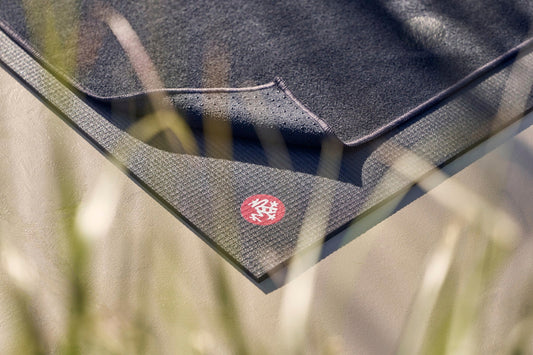
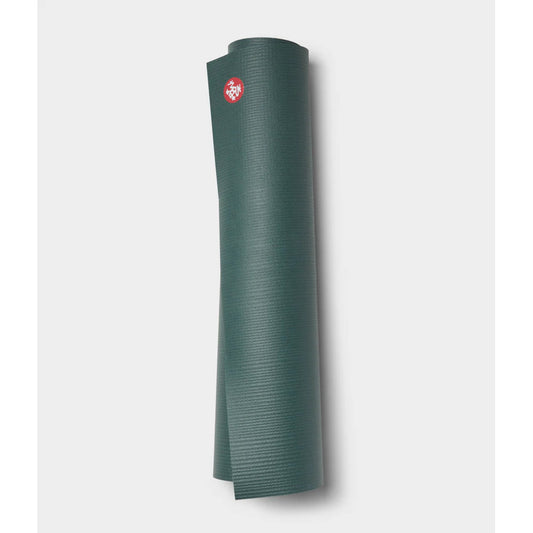
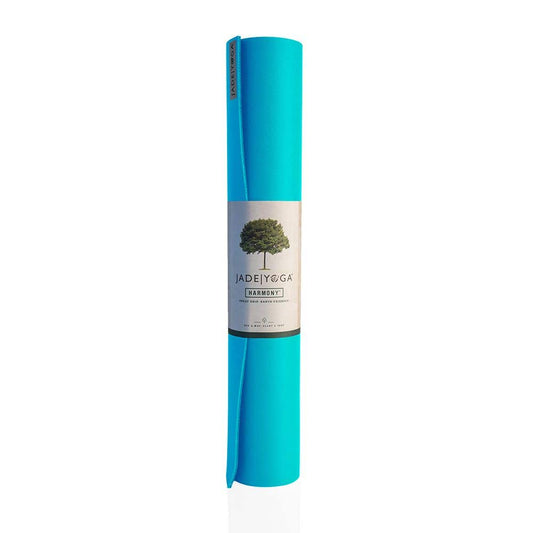
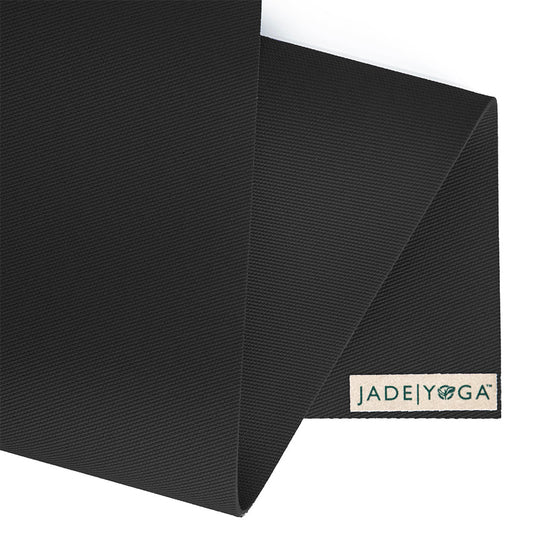
The travel mat is the piece most people meet first. It is thin, light, made from natural rubber, and it folds rather than rolls, which means it disappears into a carry-on or the bottom of a weekender without argument.
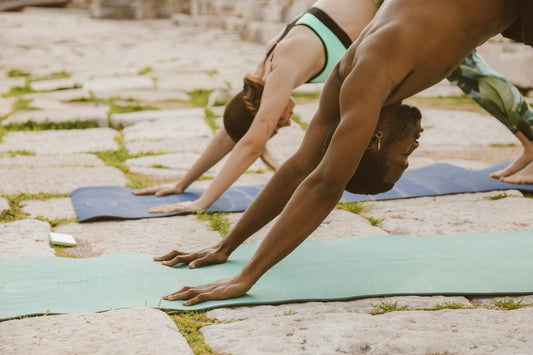
What it really solves is the practice you would otherwise skip. The morning in a hotel room before a day of meetings. The week at your parents' place over Christmas. The rental with the hard tile floor. The drop-in class where the studio mats have been sweated on since six. Unfolded, it puts a familiar, predictable surface between you and wherever you happen to be — on its own, or layered over whatever is already on the floor.
It comes in Mulberry, Eucalyptus and Sahara, which are exactly the colours you would want to look at first thing in an unfamiliar room.


Support
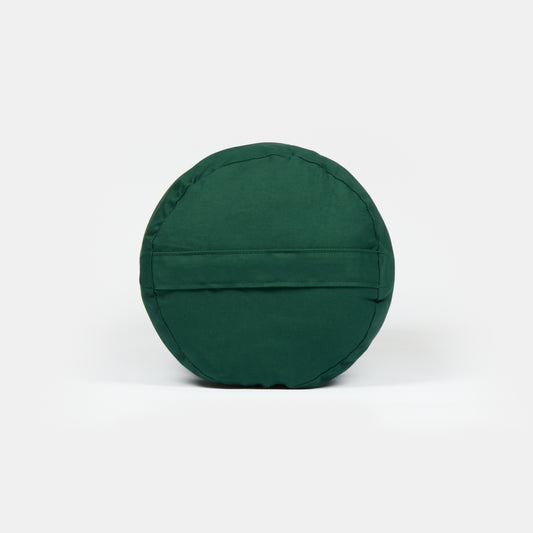
Restorative and yin practice is mostly a conversation with your props. The round bolster is the centre of that conversation: an organic cotton cover over a firm fill, weighted enough that it holds you rather than collapsing under you. Firm yet yielding is how Velara puts it, and it is the quality that lets a supported pose become genuinely restful instead of a low-grade effort to stay in position.
This is the piece for the Sunday afternoon that goes nowhere, the twenty minutes after work when a full practice is not happening, the winter evening when the alternative is the couch. It is also, quietly, the piece that people end up using for reading and napping, which is not a criticism.
Blocks come in two moods. The foam blocks are light and soft to the touch, easy to nudge into place mid-sequence, in Dune, Black, Marina and Mulberry. The cork blocks are heavier and more grounded underhand, in a standard and a taller size depending on how much of the floor you would like brought closer.


💡 Foam or cork? Foam is lighter and warmer under the hand, which suits flowing sequences where blocks move constantly. Cork is denser and feels more like furniture, which suits long holds and any pose that puts real weight through the block. Plenty of people keep one of each and reach for whichever the day calls for.
Release
The cork recovery pieces are the quietest part of the range and, for a lot of people, the part that gets used most often — usually nowhere near a mat.
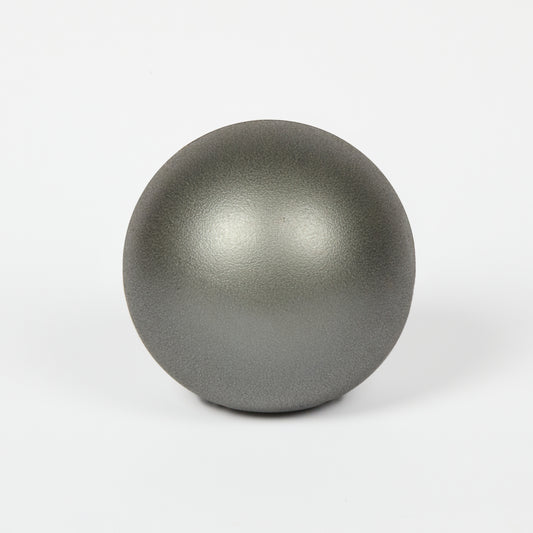
The peanut ball is shaped to sit either side of the spine rather than on it, which makes it usable along the back without the flinch a single ball produces. It also lives happily under a desk for the afternoon when your shoulders have crept up towards your ears. The massage ball set is for the more specific complaints: a tight calf after a run, the arch of a foot at the end of a long day.
Both are natural Portuguese cork, which is renewable, naturally antibacterial, and pleasant to hold in a way that plastic and rubber alternatives never quite manage. They are small enough to keep in a bag and good-looking enough to leave on a shelf.


A Range That Accumulates
Nobody buys a practice all at once. It gathers: a mat, then a block, then the bolster you kept borrowing from the studio, then the cork ball you picked up because your hip has been complaining. Velara is designed with that in mind — the colours sit together, the materials share a family resemblance, and a piece added two years from now will still look like it belongs with the rest.
Have a look through the Velara collection, or browse the wider yoga props range to see how it sits alongside everything else we stock. The brand's own world lives at velara.com.au.
Discover Velara
Mats, bolsters, blocks and cork recovery tools. Australian designed and owned.
Browse the CollectionFrequently Asked Questions
Where are Velara products designed and made?
Velara is Australian designed and owned, with design and refinement carried out in Melbourne. Materials are chosen for the job rather than for convenience: cork comes from Portugal, where the cork oak industry is long established, and the mats are natural rubber. Full materials and measurements are listed on each product page.
Can I use the travel mat as my only mat?
It depends where you practise. Over carpet, a rug or a studio floor it works well on its own. On hard tile or timber, or for practices that spend real time on the knees and hips, most people prefer it layered over something thicker — which is also how it tends to get used in a studio. The rest of the travel mat range is worth comparing if you want a single do-everything mat.
How do I look after cork and cotton props?
Wipe cork blocks and massage tools with a damp cloth and let them air dry; skip the solvents. The round bolster has a removable cotton cover that can be washed. Wipe the natural rubber travel mat down, air dry it, and keep it out of direct sunlight, which breaks natural rubber down over time.
Tags: